The Art of Lawn Maintenance: Expert Advice from ER Lawn Service Apr 05, 2026
Starting with the Basics: Understanding Your Lawn’s Needs
Every lawn is unique, influenced by factors such as soil type, grass species, climate, and your specific landscaping goals. Identifying your grass type is crucial since different grasses have different needs and thrive in varied environments. Whether it’s cool-season or warm-season grass, knowing what you’re working with will guide your fertilization and watering routine.
The Importance of Regular Mowing
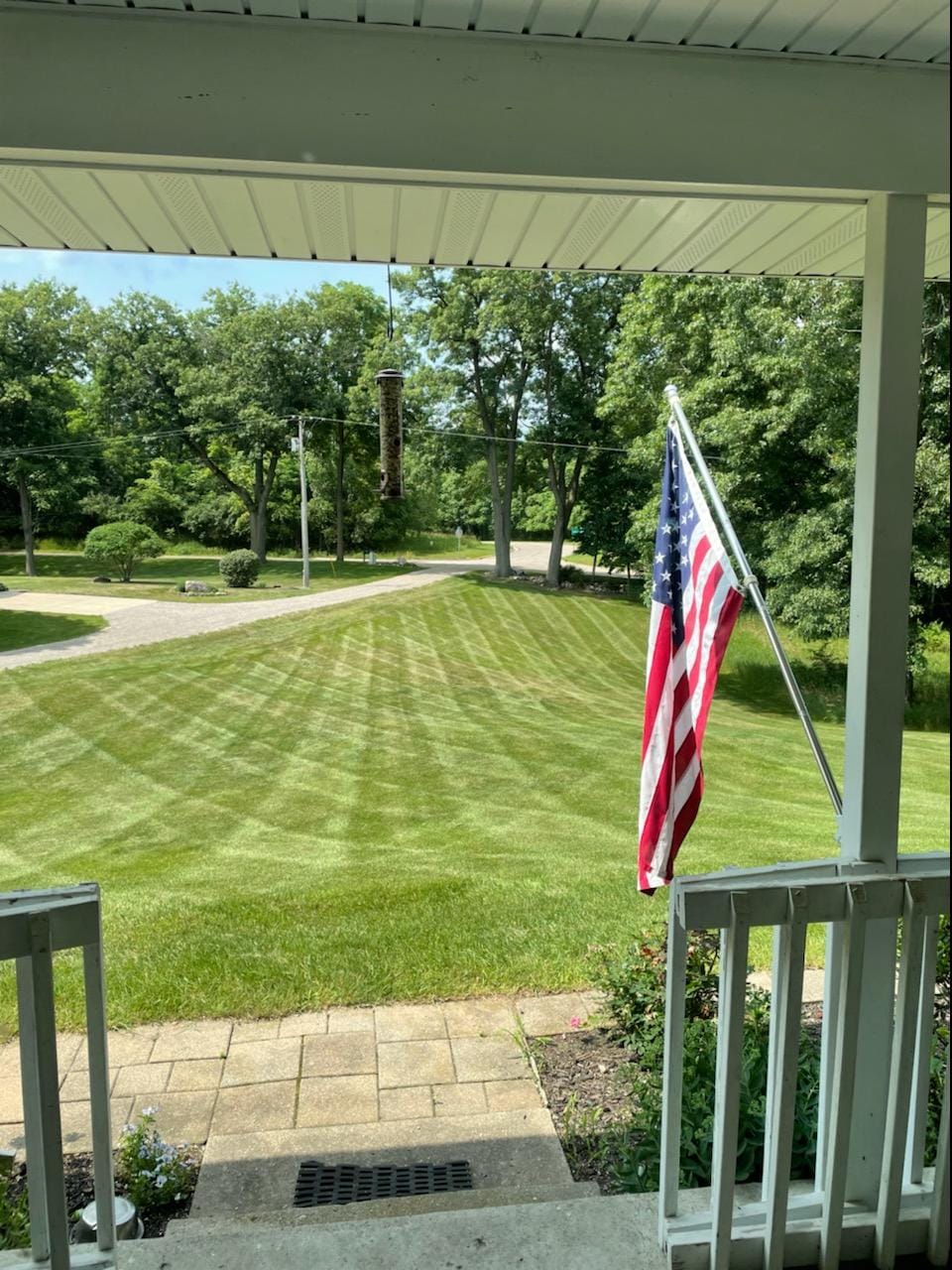
Mowing is more than just cutting grass; it's about cultivating a dense, healthier lawn. Regular mowing keeps grass at an optimal height, promotes even growth, and prevents weeds. The general rule of thumb is never to mow more than one-third of the grass height at a time. Frequent mowing also minimizes stress on the grass and supports lush growth.
Watering Wisely for Lawn Health
Proper watering techniques are fundamental to lawn maintenance. Deep, infrequent watering is recommended over shallow, frequent watering, which only encourages shallow root systems. In most climates, lawns generally require about an inch of water per week, including rainfall. A good practice is to water early in the morning to reduce evaporation and prevent fungal diseases.
Fertilization Fundamentals
Fertilizing your lawn supplies essential nutrients that promote strong root growth and vibrant grass. The timing and type of fertilizer depend on your grass species and local climate. Most lawns benefit from a balanced fertilizer applied during their active growing periods. At ER Lawn Service, we advise conducting a soil test to determine specific nutrient requirements and avoid over-fertilization, which can harm the grass and the environment.
Seasonal Lawn Care Practices
Adapting your lawn care practices to the seasons is crucial. Spring is an ideal time for reseeding and fertilization, as the grass awakens from winter dormancy. In summer, focus on proper watering and mowing to combat heat stress. Fall is perfect for aerating, which helps alleviate soil compaction and promotes nutrient absorption. Winter care involves removing debris and preparing the lawn for the cold months ahead.
Dealing with Common Lawn Problems
Pests, diseases, and weeds are common challenges in lawn care. Identifying and addressing these early is key to maintaining a healthy lawn. Integrated pest management strategies, such as promoting beneficial insects and using natural deterrents, can keep pest populations under control. Regular inspection and prompt treatment of diseases and weeds will also contribute to a robust lawn.
Bringing in the Experts
Sometimes, lawn maintenance might require a professional touch. At ER Lawn Service, our experienced team employs the latest techniques and knowledge to tackle even the toughest lawn challenges. By partnering with experts, you ensure that your lawn gets the tailored care it needs to thrive.
In conclusion, a beautiful lawn is not a matter of chance but of diligent care and attention to detail. By understanding the unique requirements of your lawn and adopting consistent maintenance practices, you can enjoy a lush, green lawn all year long. ER Lawn Service is committed to helping you achieve this with expert advice and services tailored to your specific needs. Trust us to be your partner in mastering the art of lawn maintenance.
/filters:no_upscale()/filters:format(webp)/media/eb6d91d2-57e4-49b5-be41-6e13f2c93714.jpeg)
/filters:no_upscale()/filters:format(webp)/media/c8e03bcc-d579-4799-ae9c-4bdf7a655ab2.jpeg)