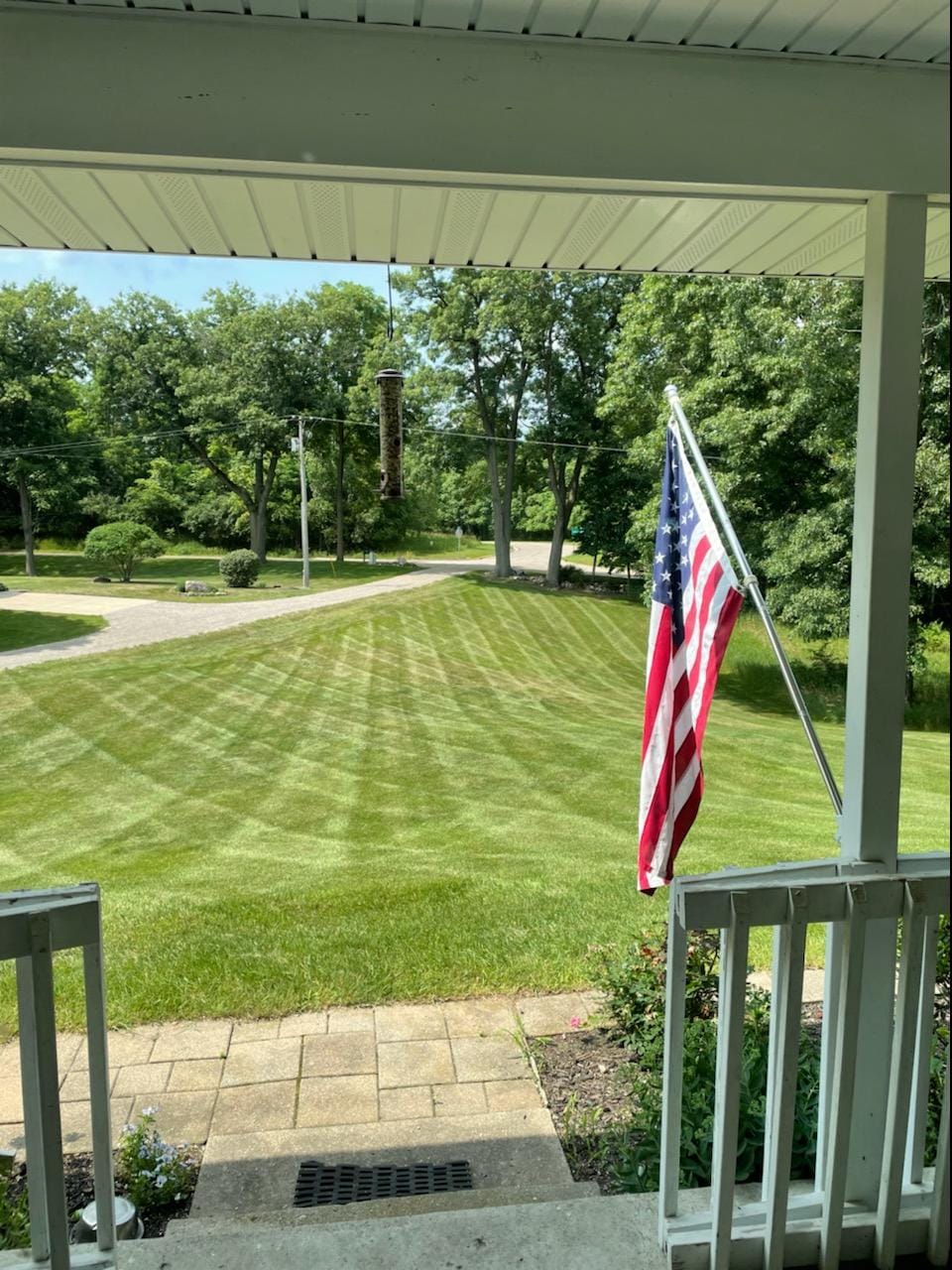
Designing Low-Maintenance Lawns: Expert Guides by ER Lawn Service Sep 06, 2026
The first step in designing a low-maintenance lawn is to choose the right grass species. Selecting a grass type well-suited to your climate is crucial. Warm-season grasses like Bermuda or Zoysia thrive in hot, sunny areas, while cool-season types such as Fescue or Kentucky Bluegrass flourish in cooler regions. By picking the ideal grass variety, you substantially reduce the need for watering and fertilizing.
Once you've chosen your grass, consider reducing the total grass area. Incorporating hardscapes or mulched flower beds into your landscape design can significantly reduce maintenance. Ground covers, like clover or creeping thyme, are excellent grass alternatives that require less mowing and watering, while beautifully enhancing your landscape's aesthetic.
Mowing practices significantly influence your lawn's health and upkeep. Mowing high, generally around three inches, encourages deeper root growth, which makes the lawn more drought-resistant and minimizes weed infiltration. Regular mowing, at intervals that maintain the recommended grass height, prevents excessive stress on the lawn, ensuring it remains robust and healthy with less intervention.
Efficient irrigation is another cornerstone of a low-maintenance lawn. An automated sprinkler system with rain sensors and timers is ideal, as it allows for precise watering that adjusts to weather conditions. Watering deeply but infrequently encourages strong root growth and reduces runoff. Early morning irrigation is best to minimize evaporation and fungal diseases.
Fertilization should be focused on feeding your lawn based on soil needs rather than following a generic schedule. Conduct a soil test to determine nutrient deficiencies and amend accordingly. Organic fertilizers or slow-release synthetic options are preferable as they provide nutrients over time, reducing the frequency of applications and minimizing the risk of leaching.
Weed management is often perceived as a daunting task, but with proactive methods, it can become manageable. Mulching is a simple yet effective way to prevent weeds. A layer of organic mulch smothers weeds and retains soil moisture, contributing to an overall healthier garden ecosystem. Sparing use of herbicides on problem areas can control persistent weed challenges without burdening the environment.
Finally, consider integrating native plants into your landscape. Native species are adapted to local conditions and typically require less watering, fertilizing, and pest control. By introducing these resilient varieties, you further ease your garden maintenance workload while promoting biodiversity.
In conclusion, adopting these strategies can drastically reduce your lawn maintenance efforts. At ER Lawn Service, we are dedicated to helping you design a lawn that is both beautiful and easy to care for. Our team is ready to support you with expert guidance tailored to your unique environment. Embrace these practices to enjoy your outdoor space with less work and more relaxation.
/filters:no_upscale()/filters:format(webp)/media/eb6d91d2-57e4-49b5-be41-6e13f2c93714.jpeg)
/filters:no_upscale()/filters:format(webp)/media/c8e03bcc-d579-4799-ae9c-4bdf7a655ab2.jpeg)